Choosing the Right Tile Format for Modern Spaces
Selecting a tile is about more than choosing a colour or pattern. Format plays an equally important role in determining how a space looks and feels. The right dimensions can influence visual proportion, continuity, installation planning and the overall character of an interior.
With multiple formats ranging from 600×600mm to 1600×3200mm, Brixen Ceramica provides options for different design requirements. Understanding how these formats work can help architects, designers and homeowners make more considered surface choices.
Understanding the Importance of Format
Tile dimensions influence the rhythm of a space. Smaller formats can introduce more visible divisions and may work well where a structured or traditional appearance is desired. Larger formats, on the other hand, create broader visual fields with fewer joints.
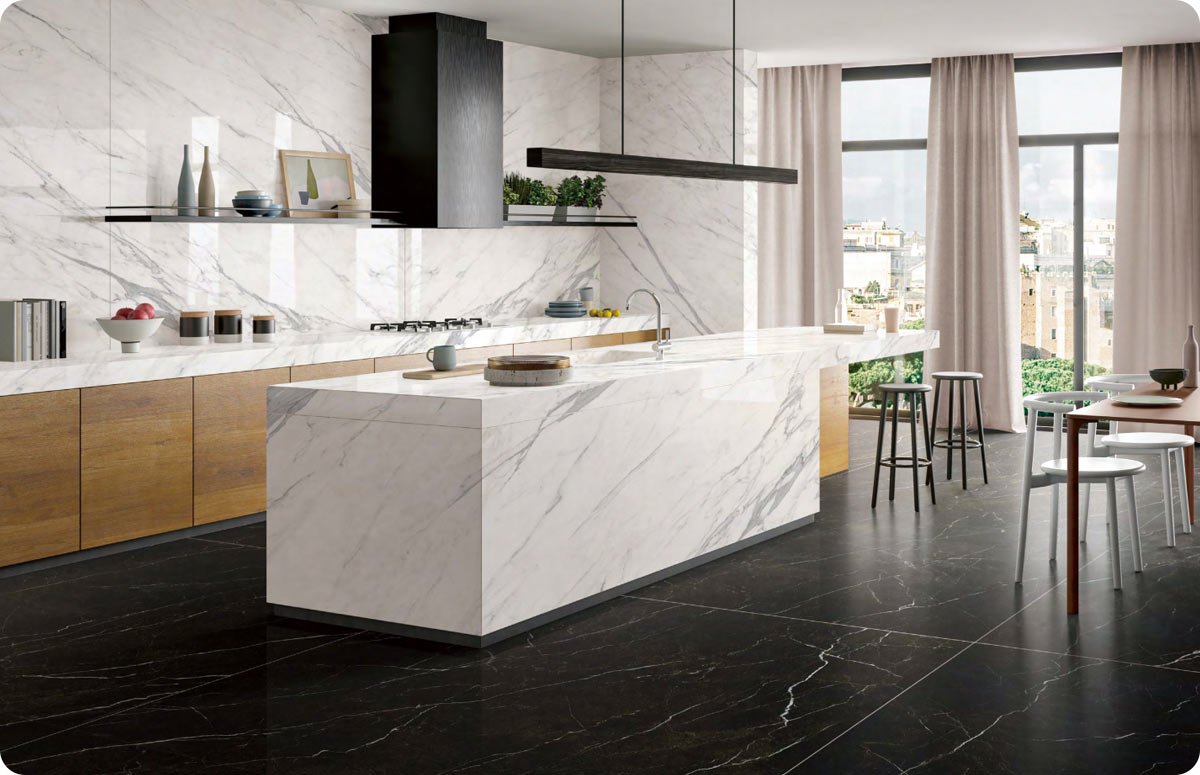
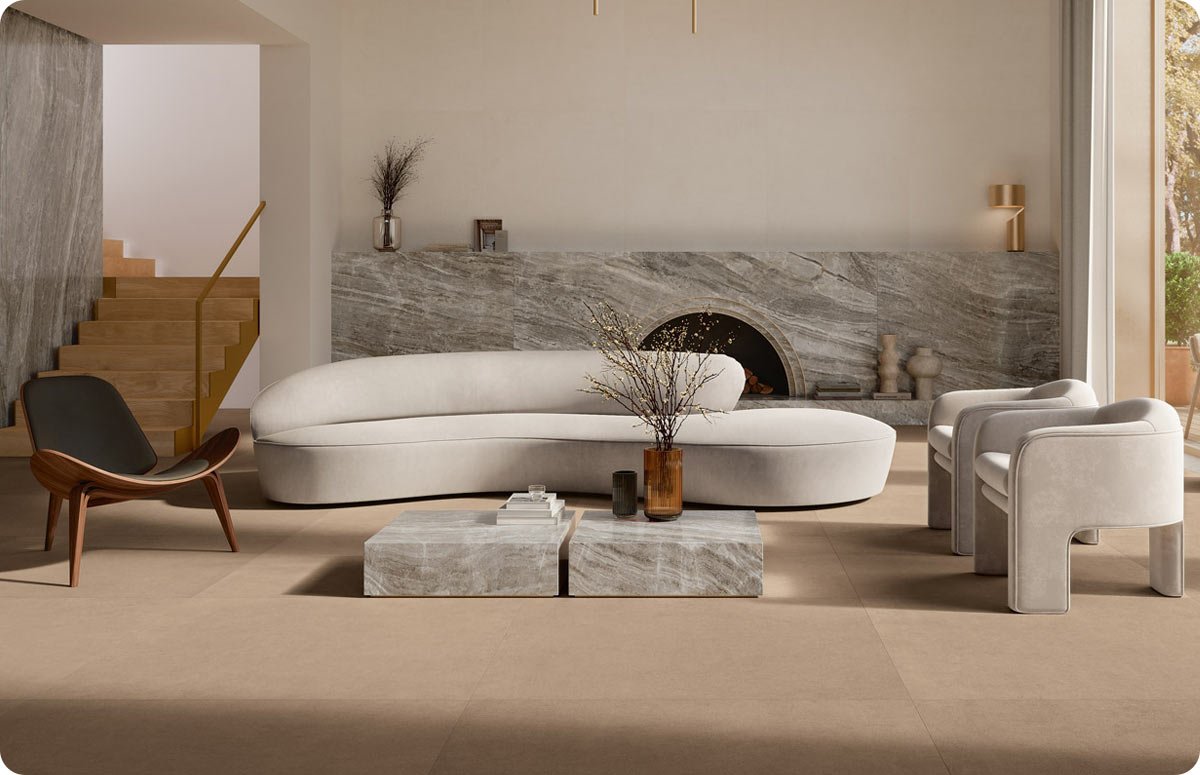
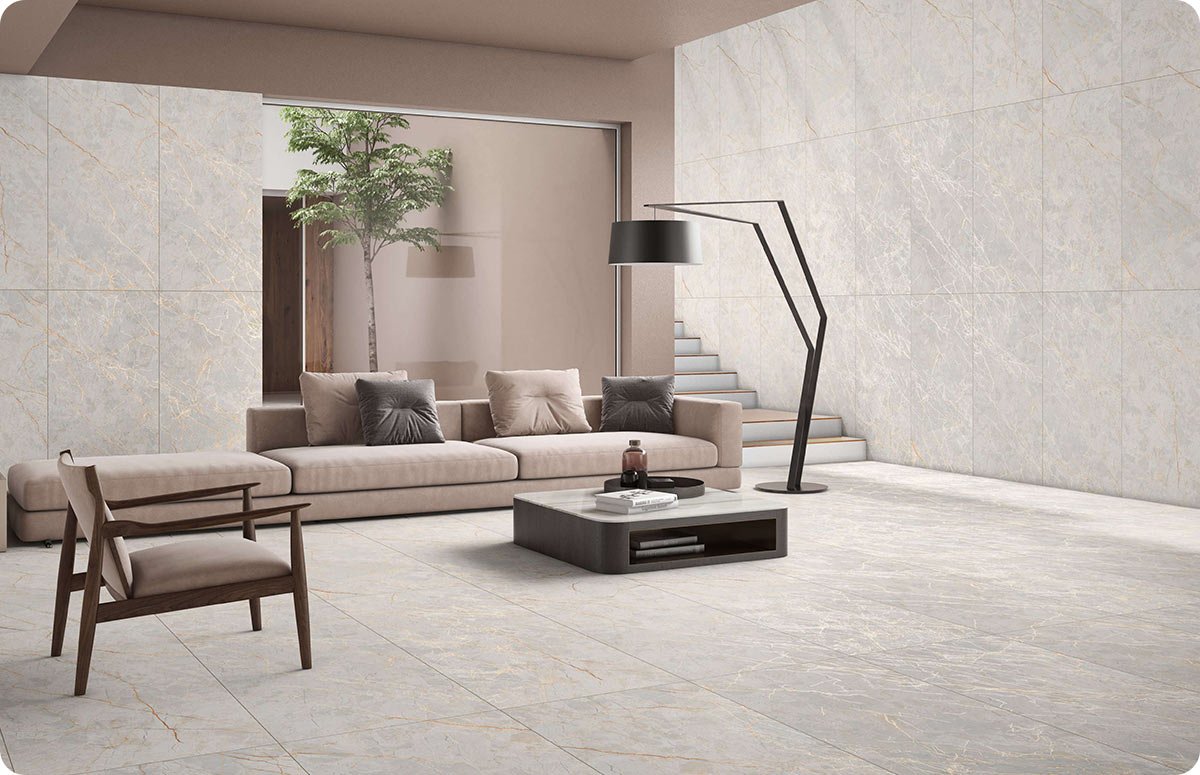
For contemporary interiors, large formats are often selected when the objective is to achieve a clean and uninterrupted appearance. Formats such as 1200×1800mm and 1200×2400mm can create an expansive visual language across floors and walls.
The choice ultimately depends on the room dimensions, application, desired aesthetic and overall design concept.
Selecting Formats for Different Spaces
Different rooms can benefit from different tile proportions. The 600×600mm format offers a versatile and familiar square proportion suitable for a wide range of applications. Its balanced geometry can complement both contemporary and more conventional interiors.
The 600×1200mm format introduces a longer rectangular proportion and offers extensive surface variety. It can create a more directional visual flow while remaining versatile enough for numerous interior concepts.
For larger architectural surfaces, 1200×1800mm and 1200×2400mm formats provide greater scale. These dimensions can help establish a strong sense of continuity across spacious floors and walls.
Exploring Large-Format Possibilities
When the design calls for dramatic scale, larger dimensions can make a significant difference. Brixen's 800×2400mm and 800×3000mm formats provide elongated proportions suitable for applications where vertical continuity and expansive coverage are important.
The 1600×3200mm format takes scale even further. Available in 12mm and 20mm thicknesses, it is positioned for substantial architectural and interior applications where the surface itself becomes a defining feature.
Large formats can help create a visually connected environment while giving designers greater freedom to work with expansive compositions.
Matching Thickness and Surface
Format should not be considered independently from thickness and surface finish. Brixen's collection includes options across 9mm, 12mm, 15mm and 20mm thicknesses, depending on the selected size.
Surface selection also influences the final appearance. Glossy finishes can create a brighter, more reflective environment, while Matt surfaces offer a more understated architectural character. Other finishes, including Carvin, Satin, Velvet, Feel, Travertine and Marble, allow designers to explore different textures and visual expressions.
Considering format, thickness and surface together creates a more complete approach to tile selection.
Creating a Cohesive Design Language
The strongest interiors often use tile formats intentionally rather than selecting dimensions independently for every area. A carefully planned combination can establish consistency throughout a project while allowing individual spaces to retain their own identity.
For example, a residential project may use 600×1200mm surfaces across primary interiors while incorporating larger formats in statement areas. A commercial environment may benefit from expansive slabs that visually connect larger floor and wall areas.
With seven principal formats and a broad selection of surfaces, Brixen Ceramica offers designers the flexibility to develop a surface language that reflects the scale, function and character of each space.
Choosing the right tile format is ultimately about understanding the relationship between dimensions, proportion, application and design intent. When these elements work together, tile becomes more than a finishing material—it becomes an integral part of the architecture.